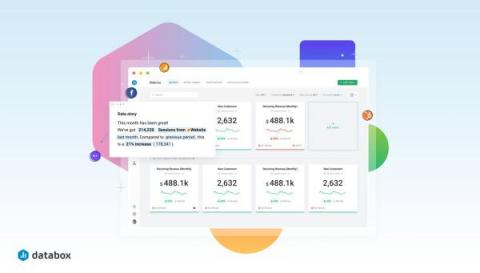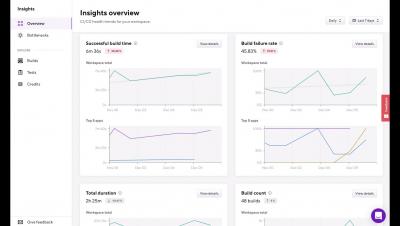
SaaS (Software as a Service) has gained massive popularity within the last decade. Consumer software, like Google, is the most well-known today, but it accounts for only a fraction of the SaaS industry. Today’s modern enterprise SaaS platforms address specific business needs — such as Salesforce resolving customer data management and Zoho addressing help desk issues. So how can you get a leg up on the competition? Simple: use the right tool or platform(s).
In part 1 of this blog series, we looked at how Snowflake supports the GEOGRAPHY geospatial data type, which works with the earth as an ellipsoid, measuring distances over a curvature and plotting objects using the latest World Geodetic System, WGS84.
When building modern web applications, it is increasingly important to be able to handle realtime data with an event-driven architecture to propagate messages to all connected clients instantly. Several protocols are available, but WebSocket is arguably the most widely used as it is optimized for minimum overhead and low latency. The WebSocket protocol supports bidirectional, full-duplex communication between client and server over a persistent, single-socket connection.
If you have been scolded for using iFrames to embed website elements by seniors, you aren’t alone! The HTML tag has been infamous in the industry for quite some time due to possible security breaches. It facilitates when the element goes unmonitored. However, its proper use and strategic implementation can quickly help web developers speed up the frontend creation process.
Checking data types for variables is vital in any programming language to ensure a smooth and error-free development process. However, this becomes even more essential for accuracy when it comes to dynamically typed languages such as Javascript. In Javascript, one variable can hold multiple value types within the same file as shown below: To achieve this, one of the most commonly used operators is typeof.