How to Mock gRPC APIs
Learn the difference between HTTP and gRPC API mocking protocols, plus steps and considerations for implementing a gRPC mock server using Speedscale.


If you’ve been writing code for any reasonable amount of time, then it’s virtually impossible that you haven’t handled logging in any way, since it’s one of the most essential parts of modern, “real life” app development. If you’re a.NET developer, then you’ve probably used some of the many famous logging frameworks available for use on this platform. Today’s post will cover one of these frameworks: log4net.
Fivetran, LTIMindtree and Snowflake unveil DecisionsCX, empowering enterprises with Customer 360 for hyper-personalization.
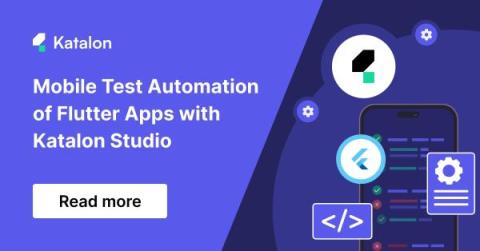
Flutter, Google's open-source UI toolkit, has gained immense popularity for building natively compiled applications for mobile, web, desktop, and embedded devices from a single codebase. With its versatility, developers have embraced Flutter for creating dynamic and responsive user interfaces. However, when it comes to test automation, Flutter apps require a unique approach due to their underlying architecture.
Apps built with Elixir can support massive scalability, real-time interactivity, great fault tolerance, and the language's syntax is actually a joy to use. Elixir is a natural fit for applications such as chat apps, data dashboard apps, and anything needed to support a large userbase. In this article, we'll use Elixir — specifically, the web framework Phoenix — to build a multi-tenant link shortening app. Let's get started!
Artificial intelligence holds the potential to enhance efficiency, streamline processes, and improve decision-making across various government sectors. But without robust safeguards, there is a heightened risk of biased decision-making, privacy breaches, and misuse of sensitive data. The Biden administration’s AI executive order establishes new standards for AI safety and security as well as for responsible use of AI at federal agencies and in state and local governments.