Systems | Development | Analytics | API | Testing

ODSC Webinar: Git Based CI/CD for ML

In this session, Yaron Haviv, Iguazio's Co-Founder and CTO, discussed how to enable continuous delivery of machine learning to production using Git-based ML pipelines (Github Actions) with hosted training and model serving environments. He touched upon how to leverage Git to solve rigorous MLOps needs: automating workflows, reviewing models, storing versioned models as artifacts, and running CI/CD for ML. He also covered how to enable controlled collaboration across ML teams using Git review processes and how to implement an MLOps solution based on available open-source tools and hosted ML platforms. The session includes a live demo.

Heroku PostgreSQL and Integrate.io

What can you do with data collected on Heroku PostgreSQL? How will you analyze it and integrate it? With Integrate.io, of course! Integrate.io lets you connect to a PostgreSQL database on Heroku, design a dataflow via an intuitive user interface, aggregate the data, and even save it back to PostgreSQL on Heroku or other databases and cloud storage services. Read on to learn more about the benefits of Heroku Postgres and how to integrate Heroku PostgreSQL with Integrate.io.

Redshift vs BigQuery

Choosing the right data warehouse is a critical component of your general data and analytic business needs. One of the biggest questions that businesses ask when choosing their data warehouse providers is this: Should you use Snowflake, Amazon RedShift, or Google's BigQuery data warehouse for your business needs? We've already covered Amazon RedShift vs. Snowflake and Google BigQuery vs. Snowflake, but what about Amazon RedShift vs. Google BigQuery?

Win More Deals with Redshift, Salesforce & Integrate.io - Webinar

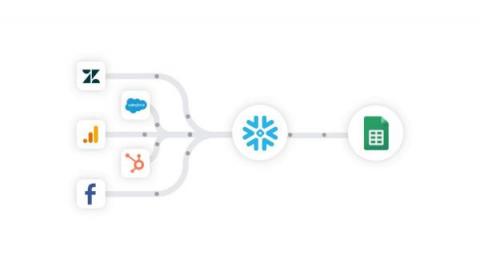
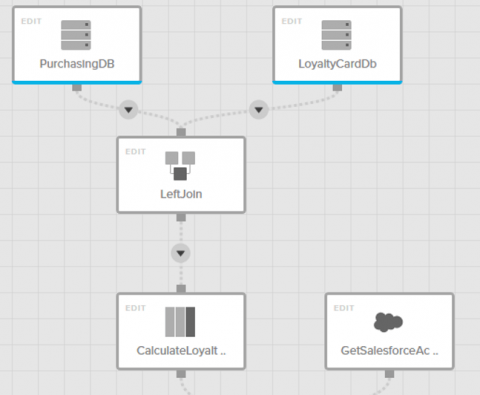
Instead of the normal ETL or ELT process, we’ll do the opposite, Reverse ETL. Using Reverse ETL allows you to pull customer data from your data warehouse, then push data back into your CRM to empower your sales team. Learn how to enhance your lead data and win more deals during this webinar.

Setting Your Eyes On The Prize: What's Coming to Product Analytics in 2022

Last year, we discussed how 2020 had been a year of adaptation, both to the new business challenges that came about by the pandemic and to the behavioral changes in all individuals. In 2021, adaptation gave way to adoption: of new technologies to better cope with business needs, of data-driven processes that guide product development, and guidelines for digital-first collaboration across teams with varying degrees of remote availability. What is there to 2022 that will make our heads turn?

Business Intelligence As A Service

In an increasingly globalized world, businesses are exposed to risks more than ever before. With shrinking profit margins and increased competition, organizations need to be on their toes all the time to survive. That's where the importance of data comes in. The jury might still be out on whether data is the new oil. But the growing market of data analytics outsourcing tells you that more and more companies are investing in data analytic solutions to gain a competitive edge.