Systems | Development | Analytics | API | Testing

Demo: Real-Time Context Engine for Fleet Management

Use Real-Time Context Engine and Claude, or any MCP-compatible client, to explore operational data using natural language in real time. That includes everything from simple lookups to multi-step investigative questions like: Confluent’s Real-Time Context Engine gives AI agents live access to operational context as events happen across the business. Instead of relying on stale snapshots, agents can query and reason over continuously updated tables in real time.

Debug a Node.js Memory Leak in Minutes with AI-Powered Heap Snapshot Analysis

Memory leaks are among the most frustrating production issues to investigate. At first, everything looks normal. Requests are processed successfully, users aren't reporting problems, and the application appears healthy. Then memory usage starts climbing. Garbage collection runs more frequently. Performance degrades. Eventually, the process becomes unstable or crashes altogether. Detecting a memory leak isn’t even half the battle.

Get Faster Test Plan Insights in Jira with Xray's Rovo Test Plan Summarizer

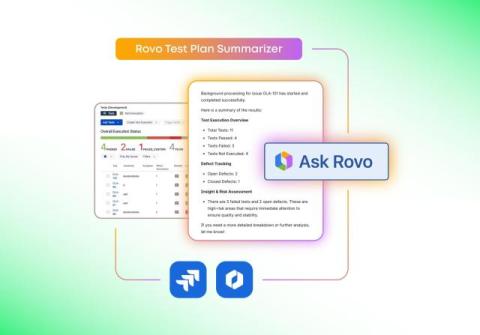
Understanding the health of a Test Plan isn't always as straightforward as it sounds. A Test Plan may contain hundreds of Tests, multiple Test Executions, linked requirements, and defects spread across different areas of a project. The information teams need is usually there, but finding answers often means navigating through several screens, reviewing reports, and manually connecting the dots. Questions such as How much testing has been completed?, Are there any coverage gaps?

Your Vercel AI SDK app is missing a session layer

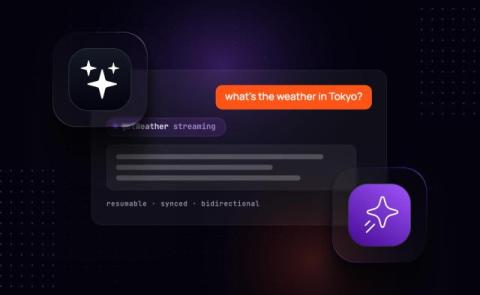
If you have built an AI chat feature with the Vercel AI SDK, you have used its useChat hook. You give it your messages, and it streams the reply into your UI. You may have seen our post on the custom transport we built for the Vercel AI SDK. It swaps useChat's default transport for Ably AI Transport, adding resumable streams, cross-device and multi-user sync, conversation branching, history compaction, and stop-and-approve controls.

Stop vs disconnect - why canceling AI streaming is harder than it looks

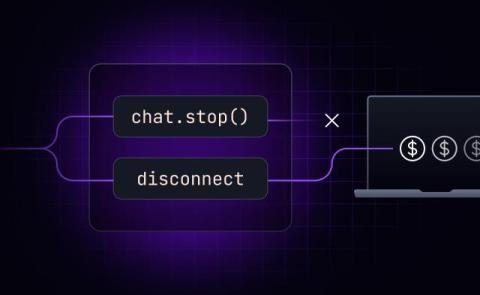
You add a stop button to your AI chat app: a customer support agent, a coding assistant, a research tool the user can steer mid-task. A user clicks it mid-response. The frontend stops rendering. Then you check your backend logs and realize the underlying generation is still running, and you’re still paying for every token. This is not a bug.

The First Deadline Nobody Warns You About

You are forty-eight hours into the role. The acquisition has closed. The press release went out. The operating partner has sent a congratulatory message and a list of reporting expectations. And somewhere in a credit agreement you are still reading, there is a covenant reporting deadline. It is in 45 days. It requires auditable numbers from a business you have not yet fully seen, running on systems you do not yet control, with a finance team you have not yet met.

Four signs your automation suite is costing you more than it's saving

An automation suite that’s losing ground rarely makes it obvious. Coverage numbers look reasonable. Tests are running. The CI pipeline is green more often than not. Meanwhile, the team is quietly working around what isn’t working – rerunning tests until they pass, deferring maintenance, or accepting a regression window that’s wider than it should be. Those workarounds can feel normal. They aren’t.

Measuring Integration Dependency: Which Customer Integrations Contribute Most to Revenue?

Most real estate and PropTech product teams know they have too many integrations. What they struggle to answer is a sharper question: which ones actually matter? Surveying customers or tallying feature requests gives an incomplete picture. It conflates noise with signal and produces roadmaps full of integration work that never meaningfully moves retention, revenue, or product adoption.