6 steps to building world-class data operations
Practical advice for starting your journey to analytics excellence.


Practical advice for starting your journey to analytics excellence.
In my previous post on scaling Kong deployments with and without a database, we covered the concepts of deploying Kong with and without a database, as well as using decK, distributed, and hybrid deployments. In this article, we take a tour of some of the possible Kubernetes deployments of Kong. Kubernetes (K8s) is the container orchestration war winner. While there are still deployments using other engines, we see K8s far more.
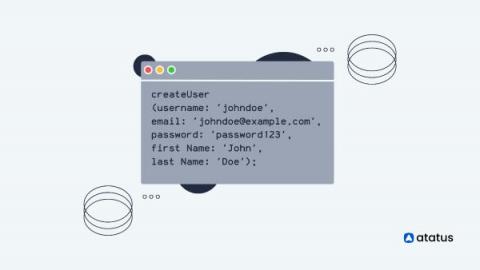
PHP is a popular server-side programming language used to build dynamic websites and applications. With the release of PHP 8.0, there are several exciting new features that developers can take advantage of to improve their code and make it more efficient. One such feature is named arguments, which allows developers to specify function arguments by name rather than just by position.
Data is core to decision making today and organizations often turn to the cloud to build modern data apps for faster access to valuable insights. With cloud operating models, decision making can be accelerated, leading to competitive advantages and increased revenue. Can you achieve similar outcomes with your on-premises data platform? You absolutely can.
When writing your test automation scripts, it can be especially difficult to write code that adequately identifies visual defects. Typical functional tests do a poor job capturing all visual changes and they also leave you with lengthy and flaky code. And when your code becomes flaky, it becomes unreliable.