Explore What's New - Bonus Episode
In today’s bonus episode of What’s New in SwaggerHub Explore - Frank Kilcommins walks us through the simple utility CLI for migrating your data from #Swagger Inspector into #SwaggerHub Explore.


Introducing Confluent Platform version 7.5, which offers a range of new features to enhance security, improve developer efficacy, and strengthen disaster recovery capabilities. Building on the innovative feature set delivered in previous releases, Confluent Platform 7.5 makes enhancements to three categories of features: The following explores each of these enhancements and dives deep into the major feature updates and benefits.
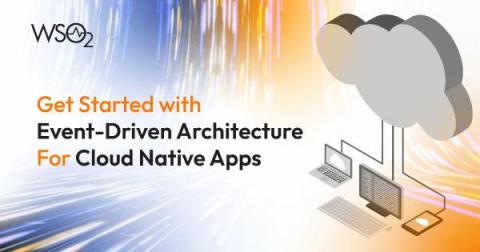
Classical request/response architecture is driven by procedure calls, where a caller waits for the call to finish, and the call continues until the work is done. Each incoming call is broken into smaller procedure calls, which may in turn call other procedures. In contrast, event-driven architecture (EDA) is driven by events such as user actions, sensor outputs, or messages from other programs/threads, which determines the execution flow.
API documentation is the cornerstone of any successful API-driven project. It serves as a critical reference point for developers and consumers to understand how an API works, its endpoints, request/response formats, and more. While having comprehensive documentation is essential, what truly sets developers apart is the ability to seamlessly explore and test these APIs within the context of their documentation.