6 tips to understand and optimize your Fivetran usage
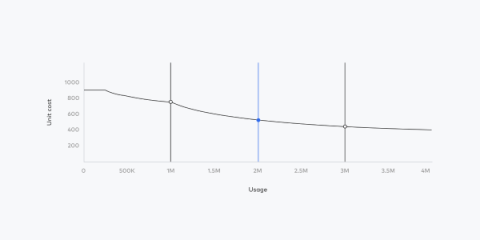
View and modify your usage with ease — so you only use what you need.


View and modify your usage with ease — so you only use what you need.
Businesses everywhere have engaged in modernization projects with the goal of making their data and application infrastructure more nimble and dynamic. By breaking down monolithic apps into microservices architectures, for example, or making modularized data products, organizations do their best to enable more rapid iterative cycles of design, build, test, and deployment of innovative solutions.
Insurers have been slammed by inflation, with loss costs surging by $30 billion in 2021 alone. Almost every line of insurance has been hit with rising claims expenses, while replacement costs have risen by 16.3%—nearly twice the consumer price index rise. To combat inflation, insurers need to find better ways to increase efficiency and reduce claims leakage. In addition to economic pressures, insurers are also facing rising customer expectations for a faster and more transparent claims process.
Learn how growth consultant Kat Gardiner guides early-stage organizations in developing a scalable data strategy, without breaking the bank.