Well, my developer friends, 2020 is your year. Businesses in practically every industry have a fever to grow their IT operations and automate just anything possible. I know, I know. The demand for developers is nothing new. But 2020 is different. 2020 is the year where we see some of this decade’s most exciting technologies become commercially viable, and others finally go mainstream.
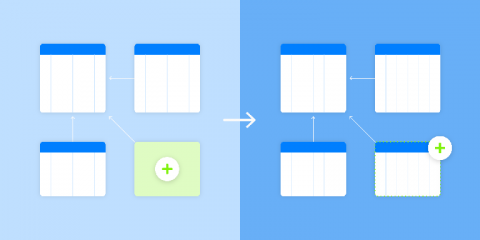
With the explosion of cloud services, microservices – and the increasing demands of digital transformation – enterprises are adding and removing business applications at a breakneck pace. Most large businesses are juggling an average of 788 custom business applications, and the number is growing.
In today’s age of technology, the processing of seismic data requires powerful computers, talented researchers, software, and skills. For the Oil and Gas Industry, its paramount to making strategic business decisions. Seismic data accurately helps to plan for wells, reduce the need for further exploration, and minimizes the impact on the environment.
As a tester, organizations depend on you to maintain the highest possible quality for their products. The quality with which you write, specify and organize test cases influences the effectiveness of your testing and can significantly affect the quality of the product. To maximize the benefits from your tests, write the requirements alongside your business stakeholders, design your tests with a purpose and parameter, and of course, organize them properly so you can easily understand and execute them.
API product management is a new role both start ups and enterprises alike are looking to fill in order to build and manage a new API platform. How do you identify and hire rock-stars? Given APIs are very developer-centric, you should not just aim to find the best PMs out there, but identify those passionate about APIs and helping developers. In no particular order, here is our list of API PM interview questions.
We are introducing a new version management process for our steps from Week 9, 2020: you'll be able to lock for major and minor versions instead of the old always latest and specific versions.
In the first post of this series, we looked at the state of your organization, how to tell if Microservices are right for you, and wrapped up with a few challenges this architecture brings to the table. In this article, we will look at organizational changes that will help you adopt a Microservice architecture. Additionally, we will touch on topics like how to bring change to your organization, how to embrace the primacy effect, and why you should embrace cross-functional teams.