Mailchimp
Not subscribed to OpsMatters Newsletter


Sometimes I walk through the grocery store and marvel at the way customers float through the aisles, blissfully unaware of the logistical nightmare it probably took to stock the shelves. They have no idea how many people, systems, and modes of transportation it takes to make everything magically appear on their grocery shelves. But I do. As the Senior Director of Software Engineering at KlearNow, I spend my days preserving the bliss of those grocery shoppers.
The rise of game engines has sparked new innovations across industries. Amazon Lumberyard — the Amazon game engine — has recently transitioned to open source. Open 3D Engine (O3DE) may be new on the scene. But as companies continue to move to the cloud, many are looking at this new Amazon game engine to transform their pipeline.
Through FMEAs, product development teams are able to determine potential failures within a project and improve them to mitigate risk. The most efficient way to conduct a failure mode and effects analysis is through an automated tool. This blog will provide an overview of FMEAs and highlight the many benefits they can have on your product.
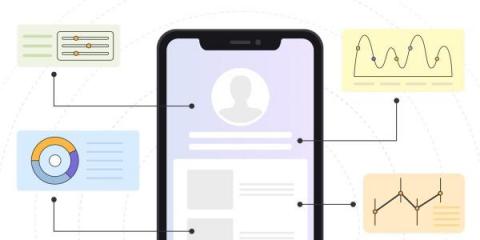
The development of a digital product has been redefined to involve only 4 phases, as TCGen and Product Plan propose: However, having an easier-to-follow process is not the only improvement that you can implement: cost and time efficiency can be taken a huge step further when you incorporate analytics insights. So, with this infographic, we propose some tools that can help you analyze data sets to enrich the phases of each development process.
“As a gamer, I wish for it. But as a developer, I wouldn’t want to be working on backward compatibility. It’s soul-crushing maintenance work, man!” – A developer on our team who shall remain unnamed! Let’s call her Dev-I for now. Last week, I was talking to internal Appian developers on backward compatibility (BC) when one of them shared this quote.