37 Ways High-Ranking Marketers Improve Their Website Domain Authority
From publishing great content to generating quality backlinks, here are the strategies effective marketers and SEOs use to improve their website domain authority.


There is a great number of logging plugins for Kong, which might be enough for your needs. However, they have certain limitations: Most of them only work on HTTP/HTTPS traffic. They make sense in an API gateway scenario, with a single Kong cluster proxying traffic between consumers and services. Each log line will generally correspond to a request which is “independent” from the rest.
When visiting a new website, it is quite normal to get carried away by the bells and whistles of the fancy UI and UX and not be able to appreciate all the lower level, back-end code that runs tirelessly to ensure a smooth and fast website experience. This is because your front-end HTML code has a visually rich browser page interface as a platform to showcase its output. Whereas your back-end, server-side code usually only has a console at its disposal.
From now on, you can check code coverage and use the Test Reports add-on with your Flutter apps as well. Woo-hoo! 🎉
The Industry Transformation category at the Data Impact Awards has never been more timely. While the business world is mostly focused on digital transformation, Cloudera and our customers know that true, data-driven change is reshaping whole enterprises and entire industries.
Our new dbt package will help you make sense of Stripe’s detailed API and improve your finance analytics.
TomTom is the leading independent location technology specialist. Their non-stop innovation keeps the world moving forward – freely, efficiently, safely. Their maps for automated and autonomous driving, navigation software and real-time traffic and travel information provide a better way forward. That’s why 100’s of millions of people, leading car manufacturers, cities, governments, technology companies and developers rely on TomTom’s products and services every day.
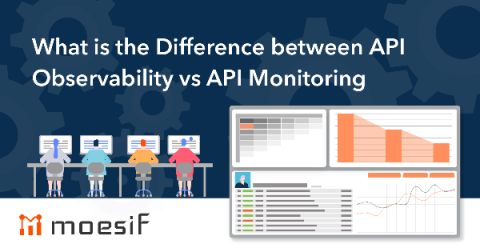
The traditional definition of API monitoring has been around for years from companies like SmartBear, APIMetrics, and Runscope and useful to check API correctness and performance. An API monitoring tool initiates API calls against your chosen endpoints and then records the response received. Additional checks can be added such as create a slack alert on a 500 error or timeout.
You know the feeling. You’ve just deployed a new version to production and are monitoring the Rollbar dashboard for any new errors or looking out for any Slack notifications. You’re keeping an eye on the number of new or reactivated errors, their severity level, and triaging to see which errors need to be assigned and to whom. Now what if you could automate these tasks?