Systems | Development | Analytics | API | Testing

Iceberg Tables: Catalog Support Now Available

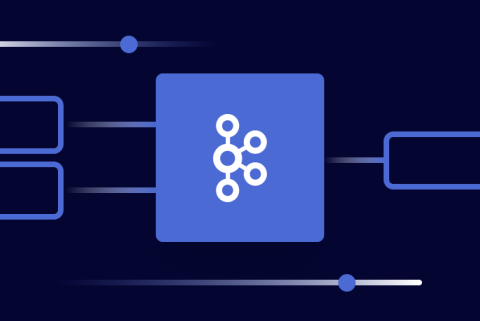
As announced at Snowflake Summit 2022, Iceberg Tables combines unique Snowflake capabilities with Apache Iceberg and Apache Parquet open source projects to support your architecture of choice. As part of the latest Iceberg release, we’ve added catalog support to the Iceberg project to ensure that engines outside of Snowflake can interoperate with Iceberg Tables.

KuppingerCole Videocast: What's a Digital Double

The concept of the "digital double" isn’t new, but it’s gaining importance as more and more of our lives are lived in the digital world. Asanka Abeysinghe, WSO2's chief technology officer and the creator of this concept, was a guest on a recent KuppingerCole videocast hosted by Martin Kuppinger, founder and principal analyst at KuppingerCole. During the discussion, Asanka spoke about this unique concept, its benefits, and how it relates to customer identity and access management (CIAM).

5 engineering tools every analytics and data engineer needs to know

Are you considering venturing into the world of analytics engineering? Analytics engineers are the newest addition to data teams and sit somewhere between data engineers and data analysts. They are technical, business savvy, and love to learn. A huge part of an analytics engineer’s role is learning new modern data tools to implement within data stacks.

Kubeflow Vs. MLflow Vs. MLRun: Which One is Right for You?

The open source ML tooling ecosystem has become vast in the last few years, with many tools both overlapping in their capabilities as well as complimenting each other nicely. In part because AI/ML is a still-immature practice, the messaging around what all these tools can accomplish can be quite vague. In this article, we’ll dive into three tools to better understand their capabilities, and how they fit into the ML lifecycle.

No Average Patient - Leveraging Data for Precision Healthcare

The evolution of healthcare has come a long way since local physicians made house calls and homespun remedies were formulated using items from the kitchen spice rack. Today’s healthcare is driven as much by the promise of emerging technologies centered on data processing and advanced analytics as by developing new and specialized drugs.

Process Automation Tools: 4 Questions to Ask

Process automation tools automate manual and repetitive tasks inside a business process. But what distinguishes process automation tools, which may also be called business process automation (BPA) tools or hyperautomation tools, from other automation solutions is that they automate an entire business process, end to end. Some process automation examples can be found in banking customer onboarding processes and automated insurance underwriting.

Hyperautomation vs. Automation: The Difference, Explained

Automation has been a linchpin for businesses for decades. Automation tools pave the way for greater efficiency, enhanced productivity, improved customer experience, and many other benefits. Yet, in some cases, businesses have only seen small gains from their automation efforts. When this happens, it could be because organizations were focused only on automation rather than the wider concept of hyperautomation.