Systems | Development | Analytics | API | Testing

How to Prevent AI Hallucinations: 3 Hidden Threats When AI Analyzes Your Data

A VP of Marketing presents an AI-generated performance review on a Monday morning. The CAC numbers are clean. The trend lines are directional. The exec summary recommends a $200K budget reallocation from paid search to organic content. The CFO nods. The budget shift is approved before lunch. Two weeks later, an analyst spot-checks one figure against the source system. The number doesn’t exist anywhere in the connected data.

What is an MCP Registry? The Centralized Directory for AI Agents

A guide to learning how MCP registries help govern AI agent-to-tool connectivity AI agents are only as capable as the tools they can reach. When an agent needs to query a database, file a support ticket, or pull data from a CRM, it has to find the right tool, authenticate, and invoke it — all at runtime. The Model Context Protocol (MCP) standardizes how agents communicate with these tools. But MCP alone does not answer a fundamental question: how does the agent know which tools exist?

Top Challenges Hospitals Face Without a Centralized HMS - And How to Solve Them (2026)

Most hospitals are digitally enabled, but not digitally connected. Patient information exists across registration systems, EHRs, lab software, pharmacy tools, and billing platforms. Each system captures data, but none owns the full patient journey. Staff move between screens, re-enter information, and rely on manual coordination to keep workflows moving. This is the underlying reality behind the challenges hospitals face without a centralized HMS.


How to Optimize iOS Push Notifications in Production

Push notifications are one of the most powerful retention tools in mobile. iOS opt-in rates average 40–45%, and apps that use push effectively can triple their long-term retention. However poorly timed, poorly crafted alerts can drain our open rates, leading to opt-outs and disengagement. When designing iOS push notifications, we need to think about engagement and retention, not just impressions.

How to Fix a React Native Production Bug Without Waiting for App Store Review

There is a specific kind of dread that comes with finding a critical bug in a production React Native app. The fix is usually straightforward: a broken API call, a logic error, a UI state that did not account for an edge case. You can see exactly what went wrong and exactly how to correct it. The code change might take an hour. What takes days is everything that comes after. App Store review. Google Play review. Waiting. Watching your crash reports climb.

Build vs Buy Real Estate Software: How to Make the Right Call

Choosing between building and buying real estate software isn’t just a technical decision—it shapes how fast you move, how much control you keep, and how far your product can scale. Whether you’re launching a PropTech startup or modernizing an existing real estate platform, the wrong choice can lock you into costly limitations, while the right one can become a competitive advantage.
Sponsored Post

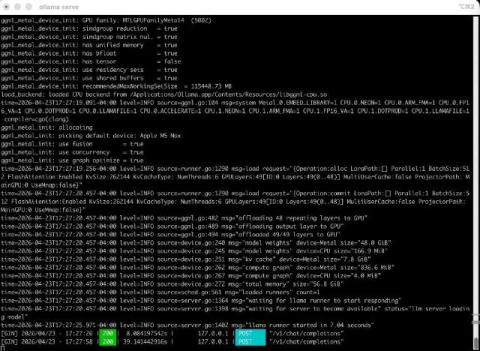
Run Local LLMs on Mac to Cut Claude Costs

Part of the motivation for this post is how cloud API economics are shifting: Anthropic is moving large enterprise customers toward per-token, usage-based billing (unbundled from flat seat fees), which makes "always call the API" a moving cost line for teams at scale. A hybrid or local layer is one way to keep spend bounded while you still use premium models where they matter.

Snowflake Semantic Views + ThoughtSpot: One AI Context Layer

Your data engineers have spent months getting your metric definitions right: revenue recognized the way finance approved it, churn calculated the way your exec team aligned on it, and pipeline logic that your rev ops team actually agrees on. And then a new tool arrives, and someone has to do it all again.