Systems | Development | Analytics | API | Testing

ANSI X12 vs EDIFACT: Key Differences

Electronic Data Interchange (EDI) is a popular communication method that enterprises use to exchange information accurately and quickly with trading partners. EDI transmits data almost instantaneously — serving as a fast and efficient mode for exchanging business documents. ANSI X12 vs. EDIFACT are the two most common EDI standards used for EDI, but they have different structures, styles, and usage.

Introducing Ably LiveSync: Seamlessly sync database changes with frontend clients

We’re excited to announce that Ably LiveSync is now in public alpha! LiveSync is a state synchronisation product that allows you to watch changes to your database and publish them reliably to millions of frontend clients, enabling those clients to stay up to date with the latest changes in realtime.

Adding views to an API-only Rails app

Ruby on Rails has long been celebrated for its ‘convention over configuration’ philosophy, simplifying web development for countless programmers. However, what if you’ve started with a lean Rails API-only application and now find yourself needing a front-end? This isn’t uncommon, especially with the rise of JavaScript frameworks and SPAs.

SmartBear Introduces HaloAI, Transforming Software Development and Test Productivity with AI Technology

SmartBear HaloAI is already delivering results in beta: shatters test times by 98% in the first 2 weeks with Zephyr Scale; automates half of QA tests, saving 20 hours per regression cycle.

Creating an Effective Test Plan Template

When embarking on a software development project, a well-structured test plan is essential for ensuring the quality and reliability of the final product. A comprehensive test plan outlines the scope, approach, resources, and schedule for testing activities, serving as a blueprint for the testing process. In this blog post, we will delve into the key elements necessary to create a robust test plan template for software testing.

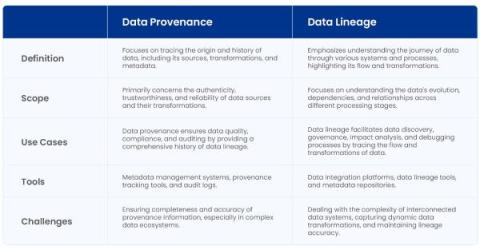
Data Provenance vs. Data Lineage: Key Differences

Two related concepts often come up when data teams work on data governance: data provenance and data lineage. While they may seem similar at first glance, there are fundamental differences between the two concepts. Data provenance covers the origin and history of data, including its creation and modifications. On the other hand, data lineage tracks the data’s journey through various systems and processes, highlighting its flow and transformation across different data pipeline stages.

6 Ways Local Government Automation Can Transform the Citizen Experience

Local governments aim to serve the needs of their communities by fostering a safe, prosperous, and vibrant environment where residents and businesses can thrive. But too often, inefficient processes and manual, paper-based tasks consume valuable time and resources. This leads to delays, errors, and inconsistencies in the delivery of essential services, eroding citizen satisfaction and trust.

Best LLM Inference Engines and Servers to Deploy LLMs in Production

AI applications that produce human-like text, such as chatbots, virtual assistants, language translation, text generation, and more, are built on top of Large Language Models (LLMs). If you are deploying LLMs in production-grade applications, you might have faced some of the performance challenges with running these models. You might have also considered optimizing your deployment with an LLM inference engine or server.