Systems | Development | Analytics | API | Testing

You Are Measuring API Active Users Wrong

API providers need to understand how their consumers are using their APIs. Usage metrics are essential because they tell you about API adoption, how your API is growing over time, and which endpoints are seeing more (or less) use. When you look at API usage metrics, you should be measuring the active users on your API in the sense that most closely aligns with your service.


Using Profiling in Elixir to Improve Performance

Elixir is all about performance. Say you have an app up and running with Elixir, but some parts aren't working as fast as you would like them to. That is where profiling comes in. Profiling tools usually walk you through the frequency and duration of function calls and where they spend their time. Erlang has impressive profile tooling available at its disposal. In this post, we will look into three profiling tools in Elixir: cprof, eprof, and fprof.

CLI Installer

While new cloud native architectures are incredibly feature-rich, they can come with a high barrier to entry. Many getting started tutorials are pages long and can take forever to complete. But these always start with the first step of performing an installation. In the spirit of making the installation of Speedscale as simple as possible, we have designed a new interactive installer as part of the speedctl command line interface.

Monitor & analyze BigQuery performance using Information Schema

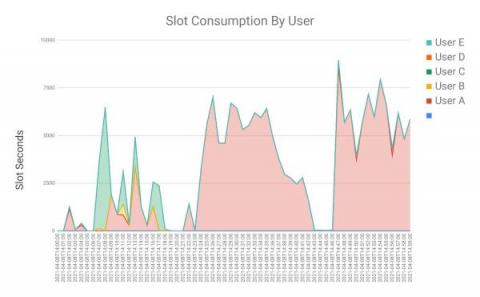
In the exponentially growing data warehousing space, it is very important to capture, process and analyze the metadata and metrics of the jobs/queries for the purposes of auditing, tracking, performance tuning, capacity planning, etc. Historically, on-premise (on-prem) legacy data warehouse solutions have mature methods of collecting and reporting performance insights via query log reports, workload repositories etc. However all of this comes with an overhead of cost-storage & cpu.

How to Improve Flask Performance

Flask is the most popular micro-framework for web programming in Python. Known for its lightweight build and flexibility, it is a fan favorite amongst beginners because of how easy it is to get started with, especially for building prototypes and small-scale projects. Even though Flask is one of the faster frameworks out there, there’s almost always scope for improving performance in web applications. Things might run fine when you serve minimal, static websites with ample compute resources.