Can generative AI be the smartest member of your company?
Fivetran COO, Taylor Brown, spearheads AI success via robust data foundation.

Fivetran COO, Taylor Brown, spearheads AI success via robust data foundation.
Learn key strategies for migrating legacy systems to cloud-based platforms to modernize.
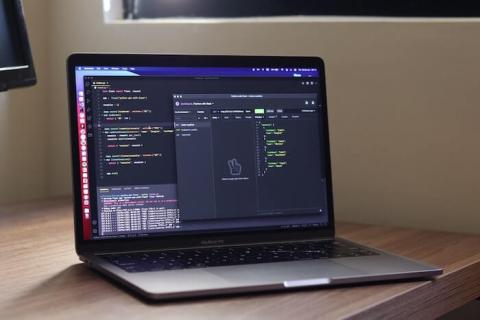
Python’s popularity has more than doubled in the past decade¹ and it is quickly becoming the preferred language for development across machine learning, application development, pipelines, and more. One of our goals at Snowflake is to ensure we continue to deliver a best-in-class platform for Python developers.
In today’s tough market, telecommunications companies are feeling the pinch. The telecom industry has undergone enormous change in the last few years. Rapid advances in technology such as the emergence of 5G Wi-Fi, the expansion of fixed wireless access and satellite services and the explosion of IoT devices have put increased pressure on aging legacy equipment, systems and communication networks.
AI is the next revolutionary technology that will accelerate the mission of the Department of Defense. Newly boundless in its applications, “AI” joins “cyber” and “cloud” as the most important information technologies that have arrived in the last 25 years.