Applied Machine Learning Prototypes | The Future of Machine Learning

Applied Machine Learning Prototypes or AMPs, are pre-built applications that can be used as a starting point for your next machine learning project. These prototypes are designed to save time and resources by providing a tested and reliable solution to common machine learning problems. Cloudera + Dell + AMD.

Data Lake ETL: Integrating Data From Multiple Sources

Utilizing big data is one of the biggest assets your organization can use to stay ahead of the competition. Even though big data continues to grow, most organizations have yet to leverage its capabilities fully. Why? Because millions of data sources exist on the internet and physically. Ingesting and integrating this data can quickly become overwhelming. With data lakes, you can integrate raw data from multiple sources into one central storage repository.

Powering the Latest LLM Innovation, Llama v2 in Snowflake, Part 1

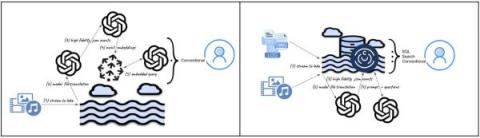
This blog series covers how to run, train, fine-tune, and deploy large language models securely inside your Snowflake Account with Snowpark Container Services This year there has been a surge of progress in the world of open source large language models (LLMs). This world of free and open source LLMs took yet another major step forward just this week with Meta’s release of Llama v2.

ETL vs ELT: 5 Critical Differences

In the world of data management, the debate between Extract-Transform-Load (ETL) and Extract-Load-Transform (ELT) is an increasingly relevant topic. The essential difference lies in the sequence of operations: ETL processes data before it enters the data warehouse, while ELT leverages the power of the data warehouse to transform data after it's loaded.

Unlock the Full Potential of Hive

In the realm of big data analytics, Hive has been a trusted companion for summarizing, querying, and analyzing huge and disparate datasets. But let’s face it, navigating the world of any SQL engine is a daunting task, and Hive is no exception. As a Hive user, you will find yourself wanting to go beyond surface-level analysis, and deep dive into the intricacies of how a Hive query is executed.