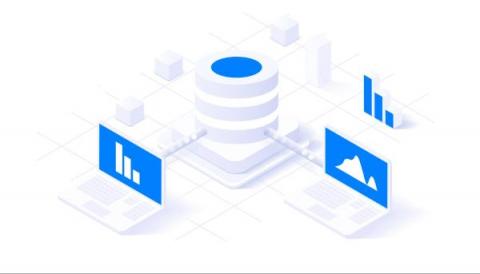
Top 15 Big Data Tools to explore in 2023
Compare the features & pricing of 2023's best big data tools.


Compare the features & pricing of 2023's best big data tools.
Compare the features & pricing of 2023's top ETL tools.
DevOps was started more than a decade ago as a movement, not a product or solution category. DevOps offered us a way of collaborating between development and operations teams, using automation and optimization practices to continually accelerate the release of code, measure everything, lower costs, and improve the quality of application delivery to meet customer needs.
No matter what application you're building and who your target customers are, everyone can agree that it's critical to avoid broken deployments. To aid in this goal, many tools and concepts have been invented, with Kubernetes preview environments being one of them. In this post, you'll get a deeper understanding of how preview environments work, how organizations are using them, and how you can get started yourself. But to put it simply: preview environments allow teams to deploy a version of their applications during the development process, interacting with it as if it was deployed in production.
Software tests are essential to prevent bugs and create robust user experiences. But building and managing these tests presents its own challenges that often fly under the radar. Fortunately, test management reports can provide visibility into test coverage and performance, making it easier to identify problem areas and ensure test suites run smoothly. This article will explore the different types of test management reports and how to make them valuable and actionable.
One of the great features that made Unity popular is its ability to provide builds for multiple platforms out of the box. But there may be scenarios in which you would like Unity to comprise just a part of your application, while the rest is written with some other framework. A typical use case is using Unity’s functionality inside a Flutter application.
Bitrise is making great new additional changes to how you can use Bitrise Insights. This includes changes to some of our chart titles, the identification of flaky tests, the display of build failure rate and typical duration and more.
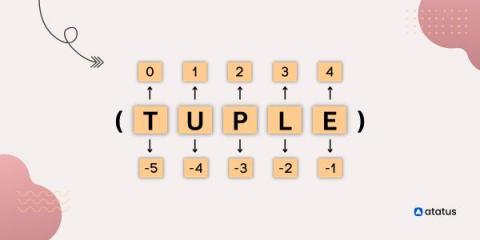
When working with data collection, we occasionally encounter situations where we want to ensure it is impossible to change the sequence of objects after creation. Many data processing algorithms and functions expect data to be in a specific order since the order of the data affects the results of the processing. Python has a built-in sequence data type to store data in an unchangeable object, called a tuple. Tuple will let you store an ordered sequence of items.
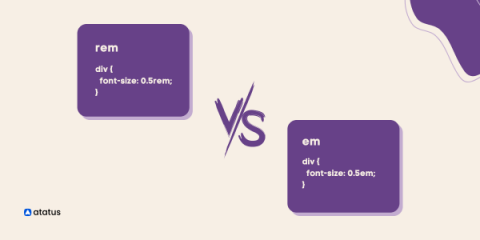
CSS is the most important component of modern web design, but implying it effectively can be tricky. One of the most noteworthy concepts to grasp in CSS is the distinction between rem and em. Web developers who want to create flexible and responsive web pages must contemplate the differences between these two units. One of the primary distinctions between rem and em is that an em unit is relative to the font size of its parent element, whereas a rem unit is always relative to the root font size.