Systems | Development | Analytics | API | Testing

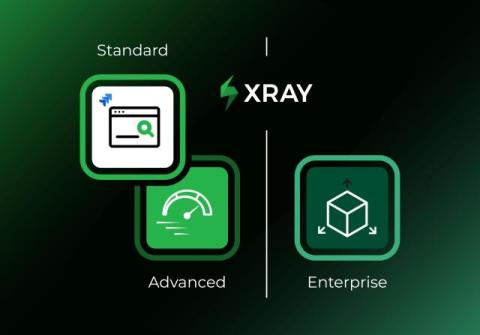
Prioritizing Test Cases for Automation: a collaborative approach with Xray

Test automation is an essential component when it comes to delivering high-quality software. However a lot of QA teams face challenges when it comes to deciding which test cases they need to prioritize for automation. The selection process can be hard, especially if you consider the limited resources that these teams sometimes have and complexity of modern applications.

Unit Testing vs Functional Testing: Differences & Similarities

Testing software is a lot like checking your homework before turning it in. You want to make sure everything works, and you didn’t make any mistakes. In software, there are many kinds of tests, but two of the most common are unit testing and functional testing. Whether you’re a business owner, a developer, a student, or part of a web agency or DevOps team, knowing the difference can help you build better apps, websites, or tools. Is Your Infrastructure Ready for Global Traffic Spikes?

ETL Frameworks in 2025 for Robust, Future-Proof Data Pipelines

ETL (Extract, Transform, Load) frameworks have evolved significantly over the past two decades. In 2025, as data pipelines expand across cloud platforms, real-time systems, and regulatory constraints, the architecture and flexibility of ETL frameworks are more critical than ever. This post explores the key principles, features, and operational concerns that modern data professionals need to understand to build effective, scalable ETL frameworks for data engineering use cases.

Real-Time Data Processing in 2025 and Beyond

In 2025, data doesn’t just support the business — it drives it. That means real-time decision-making is no longer optional. From fraud detection and customer engagement to predictive maintenance and logistics optimization, real-time data processing is the foundation of business agility. Yet many professionals still struggle with legacy bottlenecks: batch ETL jobs, siloed data, and limited pipeline observability.

PostgreSQL CDC for Real-Time Data Replication

In the era of real-time data, Change Data Capture (CDC) in PostgreSQL has become a critical capability for organizations aiming to sync systems, trigger events, and power analytics with fresh, consistent data. This guide will take you through the core concepts, methods, tools, and best practices of how to enable CDC in PostgreSQL instance, making it easier for you to build efficient, reliable, and scalable data pipelines.

How To Run Pytest Program?

When you’re building something in Python—whether it’s a personal project, an API, or a startup idea—one thing is certain: bugs happen. And while debugging can be fun (sometimes), wouldn’t it be better to catch issues before they cause problems? That’s where testing comes in. In today’s blog, we’ll explore how to test and run your Python applications using Pytest, one of the most popular and beginner-friendly testing tools out there.

9 AI Agents Examples That Solve Real Enterprise Challenges

When ChatGPT hit headlines, many equated artificial intelligence with simple chatbots. Useful? Sure. But limited to isolated tasks and virtual assistants, they fell short of their full potential. That’s changing. Businesses are now entrusting AI agents with real decision-making power on complex tasks. These agents reason, adapt, and act autonomously—without waiting for human intervention. When they’re deployed directly into processes, they provide real value at enterprise scale.

Artificial Intelligence in Payment Processing: Efficient Investigations, Happier Customers

Artificial intelligence is one of the most impactful innovations the financial services industry has ever seen. From streamlining financial operations to enhancing customer experiences, artificial intelligence capabilities help financial sector organizations stay competitive in a marketplace that never stops shifting. The benefits of AI also extend to payment processes. Here’s a real-life example.

Using CSV Data in JMeter Tests

If you’re aiming to simulate real-world user behavior in your performance tests, Apache JMeter’s ability to utilize CSV data files is a game-changer. Whether you’re a business owner seeking to understand your website’s capacity or a developer fine-tuning application performance, leveraging CSV files in JMeter can enhance the realism and effectiveness of your tests.

What is Concurrency Testing in Software Testing?

Concurrency testing is a form of software testing that simulates multiple users or systems performing operations simultaneously. Its purpose is to verify that your application behaves as expected under concurrent loads, ensuring stability, reliability, and performance. This type of testing is particularly critical for applications such as e-commerce platforms, social media sites, or any service where multiple transactions occur at the same time.