Systems | Development | Analytics | API | Testing

How User Flow Can Improve Your UX Design

Designing a website that delivers a smooth user experience requires more than just visually appealing pages or functional interfaces. The key to an effective UX design lies in the understanding of how users interact with your site from the moment they land on a page to when they complete a desired action. This sequence of steps, better known as the "user flow," plays a critical role in determining whether visitors engage meaningfully or abandon the site out of confusion or frustration.

Common Types of Software Architecture

When exploring common types of software architecture, it’s important to understand the foundational patterns that drive modern application development. Software architecture patterns like MVC, client-server, microservices, and event-driven models help teams build scalable, maintainable, and robust applications. Software architects have built a broad range of options with varying features.

Streamline AI Usage with Token Rate-Limiting & Tiered Access in Kong

As organizations continue to adopt AI-driven applications, managing usage and costs becomes more critical. Large language models (LLMs), such as those provided by OpenAI, Google, Anthropic, and Mistral, can incur significant expenses when overused. This blog will explore how you can streamline your AI workloads by leveraging Kong’s token rate-limiting and tiered access features.

Introducing ephemeral messages for lightweight updates

Not every message in a realtime app needs to be available in message history, like in the rewind backlog or in persistent storage. Ably is introducing ephemeral messages to let you deliver transient updates - like reactions, typing indicators, or cursor positions - which are only delivered to clients that are connected at the moment the message is published.

Effortless Load Testing: How to Use AI to Benchmark Performance Across Your Tech Stack - Code-Free

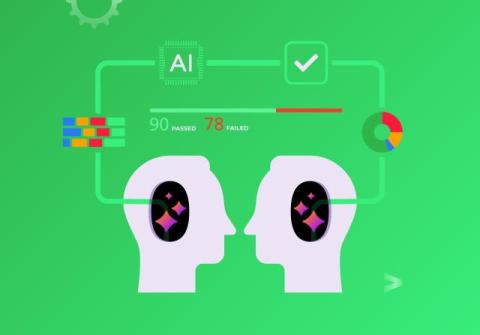
Performance bottlenecks can break user experience – and fixing them often requires deep dives into tech stacks, complex tools, and long hours of scripting. That’s fine if you’re a seasoned engineer, but what if you’re a product owner, agency leader, student, or DevOps lead who just wants to know: How well does my app actually scale?

Serverless Postgres GA: Production-Ready Databases for Large Scale and AI Apps

Today, we’re excited to announce the general availability of Serverless Postgres — a fully managed, fault-tolerant, and effortlessly scalable Postgres database service purpose-built for large scale and AI applications. Since the public preview, over 50,000 databases have been created for use cases ranging from multi-tenant SaaS to AI agent memory, RAG pipelines, and ephemeral dev environments.

Node.js 24 Is Here: What You Need to Know

We want to express our appreciation to the many contributors to this release including NodeSource team members @RafaelGSS, @juanarbol. Thank you for all your efforts to keep moving Node.js forward! Node.js 24 has officially landed! This release brings some exciting improvements to JavaScript developers, making Node.js faster, more capable, and more aligned with the latest JavaScript standards.

Securing and Hardening Your P4 Server in Today's Security Landscape

A commitment to user empowerment is at the heart of the Perforce P4 product philosophy. We believe in giving power and control to our users for ultimate configurability. This flexibility enables customers to tailor P4 to their specific workflows, but it also means they are responsible for securing their environment. For these reasons, we strongly recommend assigning the responsibilities of initial server setup, deployment, and ongoing maintenance to an experienced Perforce P4 administrator.