The latest News and Information on Software Testing and related technologies.
Loadero is a SaaS (software as a service) for testing web applications and our main target is to provide a powerful tool to our users, so they can create load tests, performance tests, and WebRTC tests for their needs. But sometimes a proper tool is not enough to execute tests: some companies don’t have enough manpower, others might not have enough expertise in the QA field, yet testing is required for every web application.
While new cloud native architectures are incredibly feature-rich, they can come with a high barrier to entry. Many getting started tutorials are pages long and can take forever to complete. But these always start with the first step of performing an installation. In the spirit of making the installation of Speedscale as simple as possible, we have designed a new interactive installer as part of the speedctl command line interface.
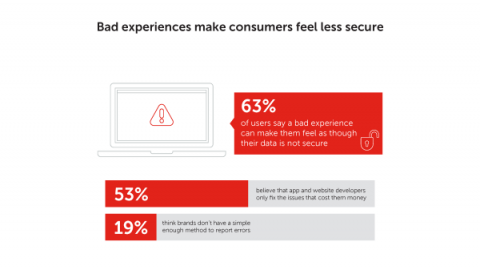
Today marks the ending of our series ‘Every Experience Matters: Stat of the Week.’ Over the past few weeks we have stressed how mobile app bugs negatively impact a company’s bottom line. This can come in the form of cart abandonment, negative reviews or even user churn. We may have saved the best for last though because today we are diving into the world of accessibility and the tremendous opportunity that brands are fumbling when attempting to appeal to a wider audience.
We are going to explore whether Load Test Driven Development is an idea that would be worth pursuing for your organisation. We will recap on what Test-Driven Development (TDD) is in the next section but fundamentally Now when you think about this, does it make sense to try and run a performance test before we have developed any code? We think it does and we are going to explain why. For clarity we are not suggesting that Load test Driven Development should replace TDD but rather to compliment it.
Our new podcast, "The People Behind Your Favorite Apps," shines the spotlight on the developers, testers, and others who work tirelessly to bring amazing technologies to market. How they come up with solutions to big challenges, collaborate at scale, and deal with high-pressure deadlines and increased expectations from the business and customers alike.
With Playwright, you can launch or connect to a Chrome, Edge, Safari, or Firefox browser and exchange instructions. The DevTools protocol (for Chrome browsers) and a bespoke protocol (for Firefox and WebKit browsers) are used for these messages. The primary benefit of adopting Playwright over Puppeteer is that Playwright supports many browser manufacturers, whereas Puppeteer exclusively supports Chrome-based browsers.
Innovation takes a back seat when testers are busy with day-to-day tasks like writing test cases and reporting bugs. A Testing Center of Excellence (TCoE) is the hub of innovation. This team of experts, researches and adopts the latest trends, technologies, and tools to maximize the value of software testing across an organization. The TCoE constantly focuses on improving and standardizing testing and quality processes to provide a competitive edge for the organization.
There's a transformation happening in software development: Progressive Delivery. It lets you rapidly release updated apps while still maintaining quality and control. Better still, it can have a big impact on the job satisfaction and day-to-day experience of developers. At SmartBear, we're in a unique position with this change happening in the market. We have a range of tools that improve the quality of software development, aiding management, design, testing, and observability.
In the world of software testing, it’s common to hear folks talk about simulators and emulators as if the terms are synonymous. To a certain extent, that makes sense. Simulators and emulators are similar in many ways, and the differences between them don’t always matter from the perspective of a test engineer. But the fact remains that simulators and emulators are different beasts.