6 Link Building Metrics to Report on the Success of Your Outreach Campaigns
65 experts share the top six link building metrics they monitor along with the tools they use for their link building campaigns.


In the fourth blog of our internal platform team series, Zsolt Márta explains how Bitrise uses Terraform Cloud to enable teams to manage resources in a fully self-served way.
It’s no secret that modern data professionals are under immense pressure to deliver more data and insights to more business users, more quickly than ever before. Data is the lifeblood of your business. And frontline business people need personalized, actionable insights to make data-driven decisions. But before these users even touch a self-service Live Analytics platform like ThoughtSpot, the data must be appropriately modeled by analytics engineers.
As companies go all in on the cloud to dominate the decade of data, agility, flexibility, and ease of use are critical to success. That’s why we’re so excited to announce ThoughtSpot’s support for Amazon Redshift Serverless which allows customers to leverage the Modern Analytics Cloud to run and scale analytics on Amazon Redshift without having to provision and manage any data warehouse infrastructure.
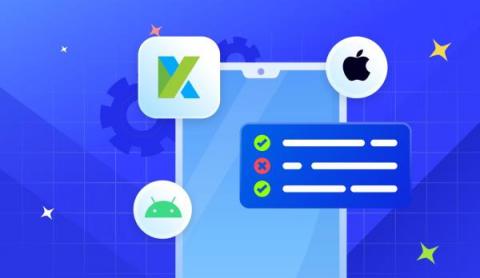
Have you ever used an app on your mobile device and experienced slow load times, crashes, freezing screens, and privacy breaches? Or has your team discovered an error in an existing functionality weeks after you’ve launched an app? If you are a mobile app user, the answer is likely yes. As a consumer, you may have been triggered to delete the app completely, reinstall it, or download a competitor’s app.
Sometimes an application needs more than Node.js to develop and bootstrap itself. Maybe the project needs some automation from a different programming language than JavaScript; even in that scenario, Node.js can run those required tasks; with that, your whole application could be easier to maintain and won’t have a lot of technologies mixed in the same project.
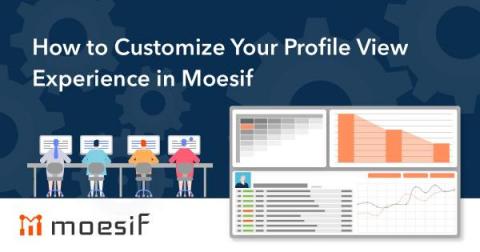
At Moesif, we’ve put a lot of work into improving viewing details and trends for specific users and companies. This includes our recent addition of adding profile dashboards to add individual and reusable charts to user and company profiles Now, we’ve added even further functionality by allowing users to customize what each individual user and companies profile view looks like.
Recent events over the past two years have shown that delivering enhanced digital experiences is critical for business success. The ability to innovate fast is now the differentiating factor that determines whether a business is a leader or a follower.