Sauce Labs API Testing and Monitoring Demo Video
In this demonstration video you can see the new cloud Sauce Labs API Testing in action - from automated test generation to fast debugging.


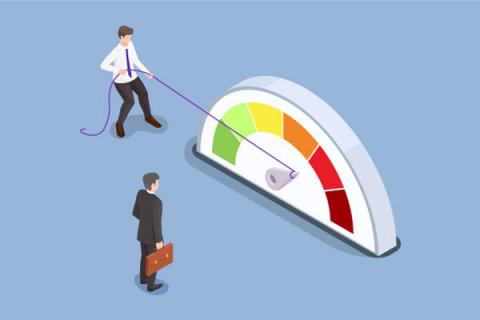
Product failures and defects can occur on many different shapes and levels, impacting any part of the user experience, functionality, and even safety. In the past, organizations were taking the approach of of Failure Mode and Effects Analysis (FMEA) for risk assessment. This allowed teams to identify and prevent failure before a product or update is released.
The benefits of digital transformation are potentially limitless, with nearly endless ways to keep us connected with technology that optimizes efficiency, cost savings and competitive advantage. But here’s the thing.
Did you know it takes an average of six months to build and deploy a basic enterprise app? It’s time to get our hours back. Low-code platforms like Appian cut that dev time in half or more. Design your apps securely and quickly using visual workflows so you can spend your time coding creative custom features instead of working on non-value adding, monotonous development tasks.
At Snowflake, we are on a mission to help customers unleash their data. Our view on the ecosystem is that Snowflake provides the cross-cloud data infrastructure and technology that our partners can stand upon to deliver advanced solutions that empower business users.
Part of our vision at Qlik is to simplify analysis for everyone – meaning that Qlik Sense is not just a tool for IT and the data analyst but something that can be put in the hands of everyone.