Systems | Development | Analytics | API | Testing

Interview With Vaibhav Sinha, CTO of BlocPal

For the next instalment in our series of interviews asking leading technology specialists about their achievements in their field, we’ve invited Vaibhav Sinha, CTO of BlocPal, Vaibhav has been a disruptor behind driving financial inclusion to underbanked areas through innovative technology and payment processing solutions. With more than 22 years of experience, Vaibhav is a leader in the global technology industry.

Using Scientist to Refactor Critical Ruby on Rails Code

Ask any software engineer to review key portions of production code, and inevitably, they will point out three things that need to be refactored. So why does so much bad, brittle, or misunderstood code remain running in production? The answer is simple: engineers are afraid to touch it. Refactoring tasks get identified and added to the backlog, but rarely make it into the current sprint. There are numerous reasons for this.

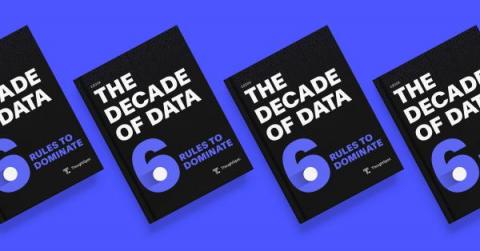
Don't Know How to Interpret Your Data? Use This Playbook to Master Data Management

Data is everywhere. Whether you’re an executive, a manager, or just trying to keep your head above water in your day-to-day job, the chances are that you’ve had at least one interaction with a set of data this month alone. And if you’ve ever tried to interpret data for yourself or your team, you know how confusing it can be to make sense of it all, understand what information is critical, and what can be left to the wayside.

JavaScript Package Managers: NPM Vs YARN Vs PNPM

Package managers are software tools that help programmers and developers to install, update and uninstall packages of code, libraries, or other software. There are many package managers for a variety of programming languages such as JavaScript's NPM and Ruby's GEM. Package managers typically use metadata to determine which versions of a package are available and the dependencies of each version package managers vary in the type of automated software they install and update.

Becoming AI-First: How to Get There

Deciding to adopt an AI-first strategy is the easy part. Figuring out how to implement it takes a little more effort. It requires a clear-eyed vision built around well-defined goals and a realistic execution plan. Being AI-first means setting up your organization for the future. By leveraging data, analytics, and automation, a company can gain a better understanding of where it is and where it needs to go.

Automotive Industry Trends 2022: What Software Developers Need to Know

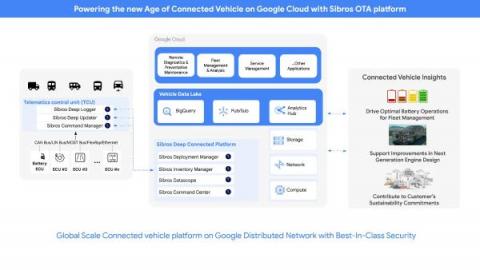
The automotive industry has been undergoing significant changes as it works to adapt to growing market demands and challenges associated with electric, autonomous, and hybrid vehicles. Here, we take a look at some notable trends that were highlighted in our report, 2022 State of Automotive Software Development.

Reinventing the Healthcare Enterprise with Analytics

Whether you work in a hospital, long-term care facility, clinical lab, or a HealthTech company, all workers in the healthcare sector today are focused on value-based care and cost efficiencies. For organizations intent on streamlining processes, an analytics tool is the logical next step. Undoubtedly, embedded analytics solutions deliver the best outcomes.

Embedded Analytics: The Secret to Promoting Information Democracy

One element that rings true in the world of analytics is that it is everchanging. Chief Data Officers and business leaders must stay abreast of key trends so their organizations don’t miss out on its benefits. A relatively new buzzword in the embedded analytics arena was coined by thought leader Howard Dresner, who serves as Chief Research Officer of Dresner Advisory Services.

Why Everyone's Talking About Composable Analytics

In the restaurant industry, they say that you’re only as good as your last meal. The same is true with technology. You have to keep up with the latest and be the greatest to remain competitive. It is a dynamically changing industry, and staying ahead of key trends is of the utmost importance. The most recent talk is around a new concept described as “composable analytics.”