10 Reasons Why You Need Integration Tools for Ecommerce Businesses
Our five takeaways on why integration tools for Ecommerce businesses are essential.


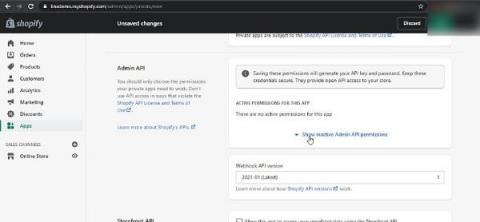
Shopify exposes a REST API for 3rd party applications to integrate with. This guide will cover connecting to the Shopify Admin API with Linx using API Keys in conjunction with the HTTP Basic scheme authentication and some request examples.
Over the years, we have seen a steady increase in companies moving away from paper-based validation to electronic-based approaches after the FDA introduced 21 CFR Part 11, which addresses the use and control of electronic signatures and electronic records. When utilized correctly, 21 CFR Part 11 opens the door to numerous potential process and solution improvements in computer systems validation, yet many teams have failed to take full advantage of these improvements.
Photo by Pixabay The world is progressing fast, especially when it comes to the tech industry. In the past, JavaScript was child’s play, condemned to lend some semblance of programmability to web pages. Today, it is taking us to space. At the start, WSO2 Identity Server was a fledgling identity solution reposed in your on-prem servers. Today, we are launching it to the cloud. Asgardeo has been a great achievement for our team.
We live in a mobile-first world, and having a mobile marketing strategy is becoming an imperative for SMBs. If one of your goals is to win over the mobile audience, inspire mobile purchases, and boost brand visibility and awareness on mobile devices, then you need to start creating your 2022 mobile marketing strategy. That said, trying to build a winning mobile marketing strategy manually is a waste of time, effort, and ultimately, money.
It’s a great time to be an Android developer, big things are happening with Android! This article delves into the most recent news, innovations, and events in the wonderful world of Android.
In this new release, there are changes to many different parts of the Tideways stack. This includes new releases to the PHP extension (5.5.2), daemon (1.7.26, 1.7.28), CLI (0.4.6), and Chrome Web Extension (1.5.1).
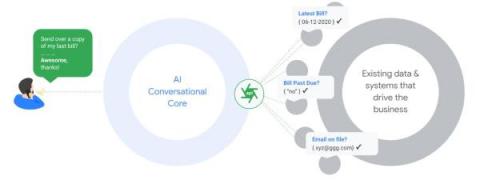
By now, you’ve probably interacted with a customer service chatbot at some point. However, many of those interactions may have left a lot to be desired. Modern consumers generally expect more than a simple bot that answers questions with predefined answers—they expect a virtual agent that can solve their problems.