Mailchimp
Not subscribed to OpsMatters Newsletter


2021 demonstrated the precariousness of our global supply chains and the potential cost to business. The Suez Canal blockage held up around $9.6bn of trade each day, while the true impact of the pandemic won’t be known for years. Many of us have also felt it during our weekly shopping and the disappointment when one of our favorite items is replaced by cardboard cutouts instead of the foodstuff themselves.
Microservices architecture. Many organizations today recognize it enables faster and easier software changes over more traditional monoliths. Microservices have become the backbone for how organizations develop cloud-native applications – programs that run independently in containers designed for cloud computing architectures.
Traditional approaches to enterprise IT – typically reliant on time-consuming, manual processes – have been overtaken in recent years by more agile, efficient, outcome-orientated models. And with that shift putting an emphasis on faster cycles of development for software products, DevOps and Agile methodologies are now essential for any business looking to succeed with a meaningful digital transformation initiative.
Having a firm understanding of Google BigQuery Data types is necessary if you are to take full advantage of the warehousing tool’s on-demand offerings and capabilities. We at Hevo Data (Hevo is a unified data integration platform that helps customers bring data from 100s of sources to Google BigQuery in real-time without writing any code) often come across customers who are in the process of setting up their BigQuery Warehouse for analytics.
S3 is an excellent way to store files scalably and reliably. This article by Jeff Morhous will show you how to use S3 to store files uploaded to a Rails app.
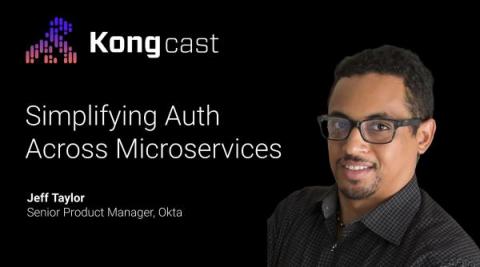
In this episode of Kongcast, Jeff Taylor, senior product manager at Okta, tells and shows us how to speed up microservices security and take the burden off developers by managing auth with an API gateway.