Qlik AutoML Update - March 2024

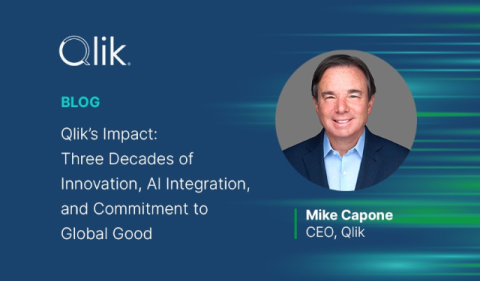
Automated free text feature engineering uses sophisticated algorithms under the hood to allows far better prediction from free text fields. This complements the date feature engineering capability we released last year, which automatically parses dates into usable features. Organizations now have role-based access control for AutoML users. We’ve added two new user roles to support AutoML – experiment contributors and deployment contributors, which can be assigned to specific users or groups. With this, you can now control and limit access to AutoML to the right types of users.

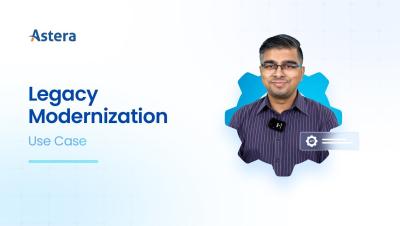
Connecting to Salesforce Database in Astera Data Stack

In this video, we will learn how to seamlessly integrate Salesforce databases into Astera Data Stack for efficient data extraction and loading. This video provides step-by-step guidance on configuring the Salesforce Database connector. Learn the process of establishing a successful connection and leveraging Salesforce data within your dataflows.

Simplify Data Integration and Pipeline Creation I Astera's Data Pipeline Builder Demo

Discover Astera’s Data Pipeline Builder, the no-code solution for easy data integration in today's businesses. With its user-friendly drag-and-drop interface, integrating, cleaning, and transforming data has never been simpler. Watch our demo to see how Astera can automate your end-to-end data management lifecycle, boosting your organization's efficiency. Start watching to accelerate your data integration tasks!

Lenses 5.5 - Self-service streaming data movement, governed by GitOps

In this age of AI, the demand for real-time data integration is greater than ever. For many, these data pipelines should no longer be configured and deployed by centralized teams, but distributed, so that each owner creates their flows independently. But how to simplify this, whilst practicing good software and data governance? We are introducing Lenses 5.5.

Leveraging AI and Analytics in Your Data Privacy Program

In an age of rapid technological transformation, governments are playing regulatory catch-up as they try to keep pace with technological developments and the increasing amount of personal identifiable information (“PII”) generated by our every-day lives. Privacy laws regulating the use of PII continue to strengthen (Gartner estimates that while 10% of the world’s population was covered by comprehensive privacy laws in 2020, by year-end 2024 it will be 75%).