2026 building-performance requirements increasingly depend on reliable property, meter, utility, and energy data, and that same normalized data can support compliance, reporting, analytics, and energy management. In 2026, several US jurisdictions reach building-performance deadlines, spanning recurring annual benchmarking, first-time compliance dates, and emissions-reduction requirements. The rules differ by jurisdiction, but many draw on the same property, meter, and utility records.
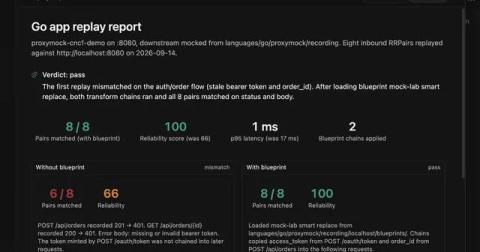
When I ask an AI agent to change code, I also want it to run the application and test what it changed. Asking it to write some tests is a start. But if it invents the expected responses from the same assumptions it used to write the code, those tests can miss the same mistake. Traffic replay gives the agent something concrete to test against: requests and responses captured from a working application. The agent can run those requests against its changes, inspect the differences, and repeat the test after a fix. I can open the same results and check its work.
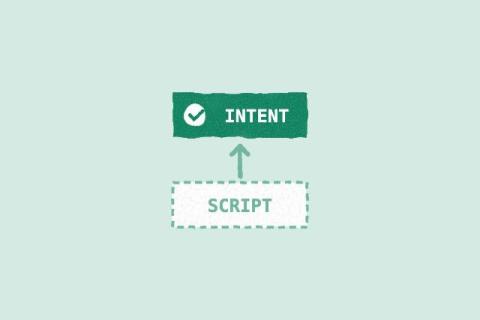
I'll give you the takeaway from this blog right now: the part of a test worth keeping is what it's meant to prove, not the script that proves it. Scripts have become cheap to generate, so we should stop treating them as something precious to maintain. Keep the intent. Throw away the script. Last time I wrote that the first time an AI agent runs a manual test case, it can leave an automated test behind, and every later run can use that script instead of the natural-language steps.
AI is no longer on the horizon. It is already reshaping how software is built, tested, and released, and it is moving faster than most quality processes were designed to absorb. Developers are shipping AI-written code at speed. Test teams are generating test cases, maintaining suites, and triaging defects with AI. But speed cuts both ways. AI magnifies the process it enters. Strong quality practices can become faster and more scalable.
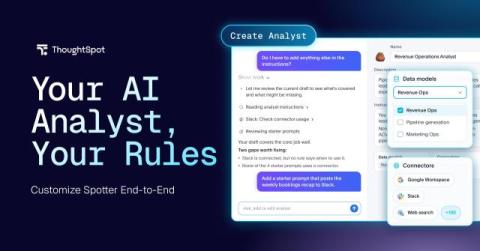
You can get an AI Analyst from most of the players, or you can try to build one yourself. Fewer let you decide what it knows, what it can touch, and who can use it. And even fewer still let you define what it won't do. You need all three before you hand one to a team or put one inside your product. In most of the product experiences, your AI analyst's context had two homes: one expert's head, or org-wide instructions.
Test automation gets harder when the application portfolio stops looking like a modern web stack. Desktop clients, packaged systems, internal applications, and long-lived business software all create different requirements for how teams build, run, and maintain tests. In an AI-disrupted SDLC, the rest of the stack changes even faster, and the risk concentrated in those systems grows with it.
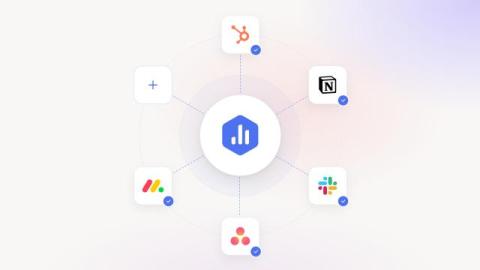
You open your performance dashboard and notice that your sales pipeline has dropped 15% since last week. You can see the decline, but the numbers alone don’t explain what caused it. Maybe several deals were pushed into next quarter, your team lost a major opportunity, or a campaign generated fewer qualified leads than expected. The answers are likely somewhere in your CRM, project management tool, or conversations your team has been having.
Multi-region deployment fundamentally changes performance expectations and testing priorities. Unlike single-region or multi-AZ setups, distributing workloads across continents introduces higher latency, longer failover times, and asynchronous replication. These realities require a new approach to load testing.
Multi-factor authentication verifies user identity through two or more distinct authentication factor categories. These include something users know, possess, or inherently are, such as biometric characteristics. The multi-factor authentication healthcare organizations deploy protects electronic health records, remote access, and clinical applications. Healthcare authentication must accommodate shared workstations, frequent user changes, and time-sensitive clinical tasks.